What Modern Car Technology Actually Does
From emergency braking to battery systems and connected roads, the most useful innovations are the ones drivers understand clearly.
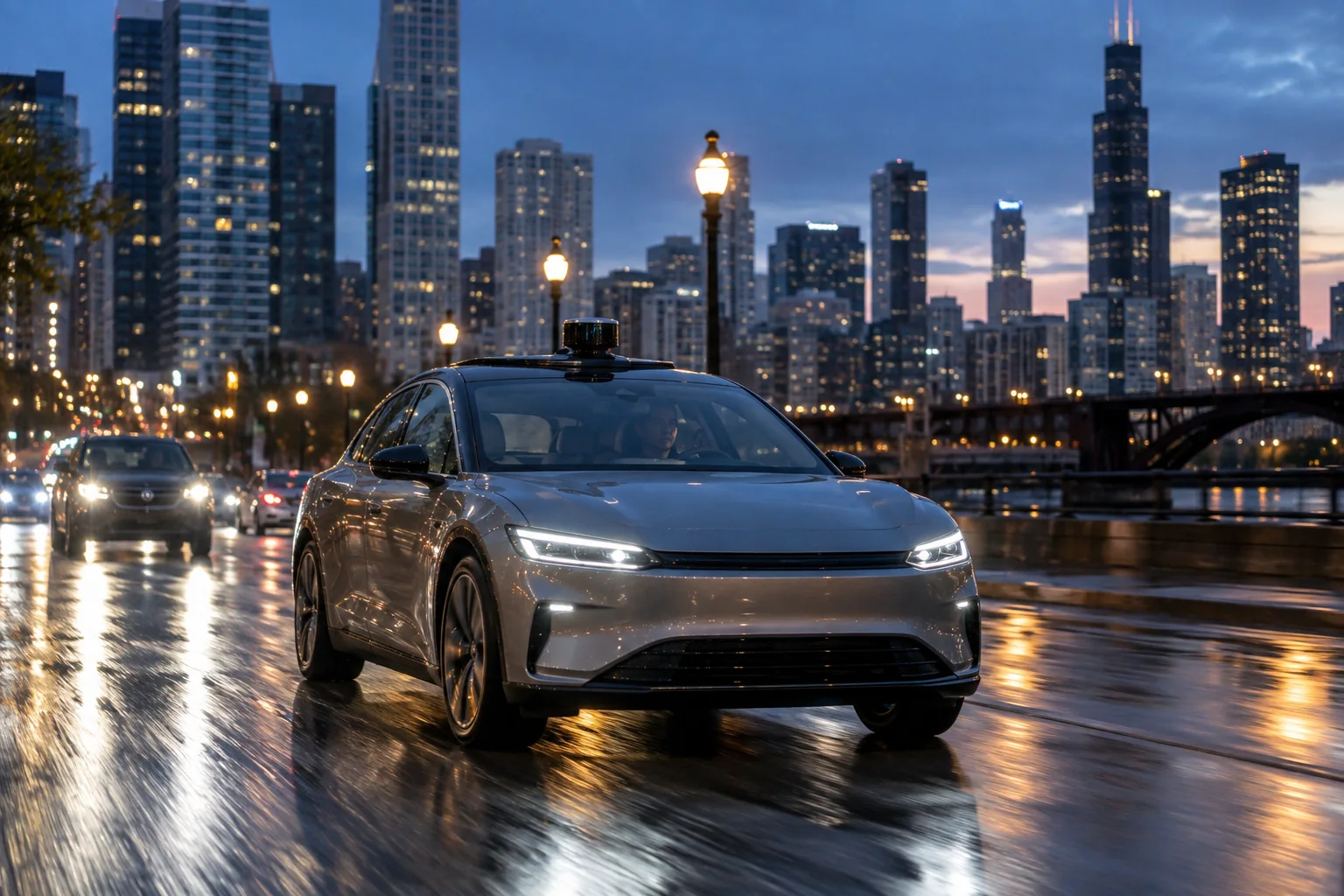
A modern car can warn its driver, apply the brakes, recover energy and exchange information with the world around it. Those functions sound like a single technological leap, but they are separate systems with different levels of maturity. Understanding what each one does is more useful than assuming a car can simply drive itself.
Driver assistance is still assistance
Forward collision warnings alert a driver when a crash may be imminent. Automatic emergency braking can apply the brakes if the driver does not react in time. Other systems watch lane markings, blind spots or traffic behind a reversing vehicle. The National Highway Traffic Safety Administration (NHTSA) describes these as driver-assistance technologies, and their names matter: a warning may only warn, while an intervention may actually brake or steer.
Some vehicles combine adaptive cruise control with steering support. That can ease part of the workload on a highway, but it does not give the driver permission to stop paying attention. NHTSA says the driver remains responsible for driving and monitoring a Level 2 system. A buyer should check the exact feature list and owner's manual for the model in question rather than relying on a broad marketing label.
The electric car is also an energy system
Battery-electric vehicles store energy in a battery pack and use an electric motor for propulsion. The U.S. Department of Energy notes that many electric vehicles can recover some energy during deceleration through regenerative braking. Instead of wasting all of that motion as heat in the brakes, the motor works in reverse and sends some energy back to the battery.
That does not make charging unnecessary. Range, charging time and energy use still vary by vehicle, driving conditions and the available charger. The practical question for a household is not whether a car has the newest technology on paper, but whether its daily charging and travel pattern makes sense in real life.
Connected roads are a separate frontier
Vehicle-to-everything communication, usually called V2X, is intended to share information among vehicles, roadside equipment and other road users. The U.S. Department of Transportation is supporting deployments and tests, including projects designed to warn of hazards that a driver may not see directly. These efforts are promising, but they are not a universal feature of every car or intersection.
For now, the most sensible way to evaluate automotive technology is to ask three questions: What does this feature actually detect? When does it act, and when does it only alert? What must the driver still do? Clear answers matter more than a long list of acronyms. A useful car makes the road easier to understand while keeping the person behind the wheel informed and responsible.