An ordinary commute can look very different when the sun sits close to the horizon. A familiar turn may hide a pedestrian in glare, while a dirty windscreen that seemed acceptable at midday suddenly becomes distracting. Preparing for that.
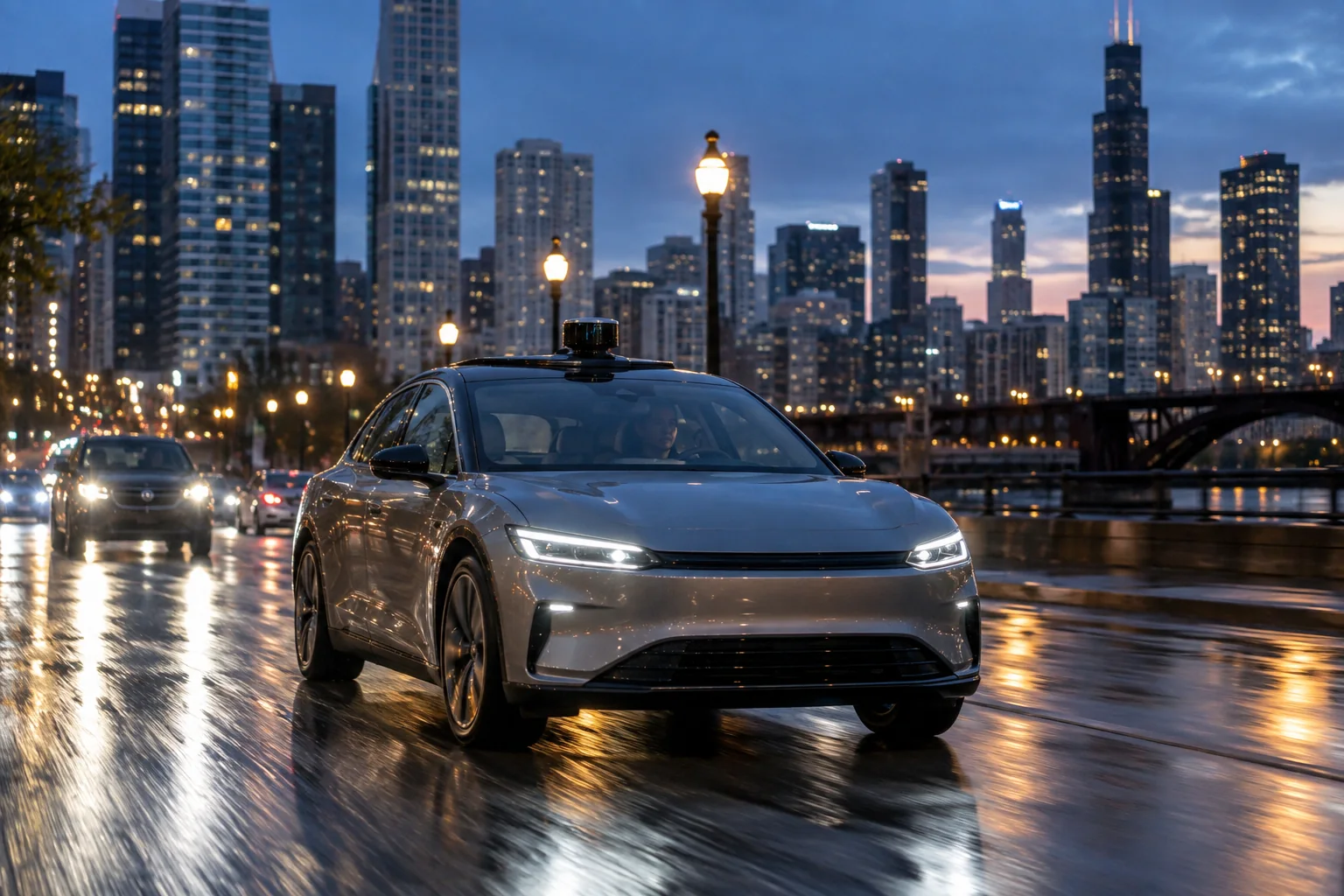
An ordinary commute can look very different when the sun sits close to the horizon. A familiar turn may hide a pedestrian in glare, while a dirty windscreen that seemed acceptable at midday suddenly becomes distracting. Preparing for that change is less about buying a special accessory and more about giving visibility a place in the departure routine.
Check the view while the car is parked
Look through the windscreen from the driving position before setting off. Clean the inside as well as the outside using products suitable for the glass and surrounding surfaces. Attend to mirrors and side windows too. Do not leave bottles, cloths, or loose equipment where they can interfere with the pedals or slide into the driver's working area.
Use the vehicle handbook to locate the relevant controls and identify approved cleaning methods. If damaged glass, worn wipers, or a malfunctioning washer system affects visibility, arrange appropriate attention before relying on the vehicle. A clean patch in the middle of the windscreen is not a substitute for a clear overall view.
Learn the controls before they are needed
Adjust the sun visor while parked and check what it covers from your normal seating position. Locate the demisting controls and learn which settings the manufacturer recommends. A driver trying to decipher an unfamiliar touch screen while entering a bright intersection has added a second problem to the first.
Avoid adding screens, decorations, or devices that obstruct the view. Mount any permitted navigation equipment in accordance with the instructions and applicable requirements. The National Highway Traffic Safety Administration's distracted-driving information is a useful reminder to make adjustments before the journey rather than during a demanding maneuver.
Plan time around the difficult part of the journey
Think about which direction you travel during the morning and evening. A route with an exposed approach or complicated junction may need more time when glare is strongest. Check current conditions before leaving and allow enough room in the schedule to slow down or choose an appropriate stopping place.
Treat familiarity carefully. Knowing that a crossing is usually quiet does not establish that it is clear today. Look for people waiting at the curb, vehicles emerging from side streets, and traffic signals that are harder to distinguish against a bright background. If you cannot see well enough to proceed safely, stop somewhere suitable rather than using the movement of another vehicle as proof that the way is clear.
Keep assistance systems in perspective
Understand what the vehicle's cameras and driver-assistance features are designed to do and what conditions can limit them. Follow the manufacturer's instructions for keeping sensor areas clear. The NHTSA overview of driver-assistance technologies explains the different kinds of assistance without treating them as a replacement for an attentive driver.
A warning or missing display deserves a considered response. Do not experiment with settings while moving or assume that a system which worked yesterday will resolve today's visibility problem. Bring questions and recurring warnings to a qualified service provider with the circumstances recorded.
Build a departure check you can repeat
Before an early or late drive, check glass, mirrors, washers, visor position, and the forecast. Set navigation and secure loose objects while parked. Leave enough time to make conservative decisions at difficult junctions. After the journey, note which part was troublesome so the next departure plan reflects the actual route rather than a general impression of the weather.